 Available in US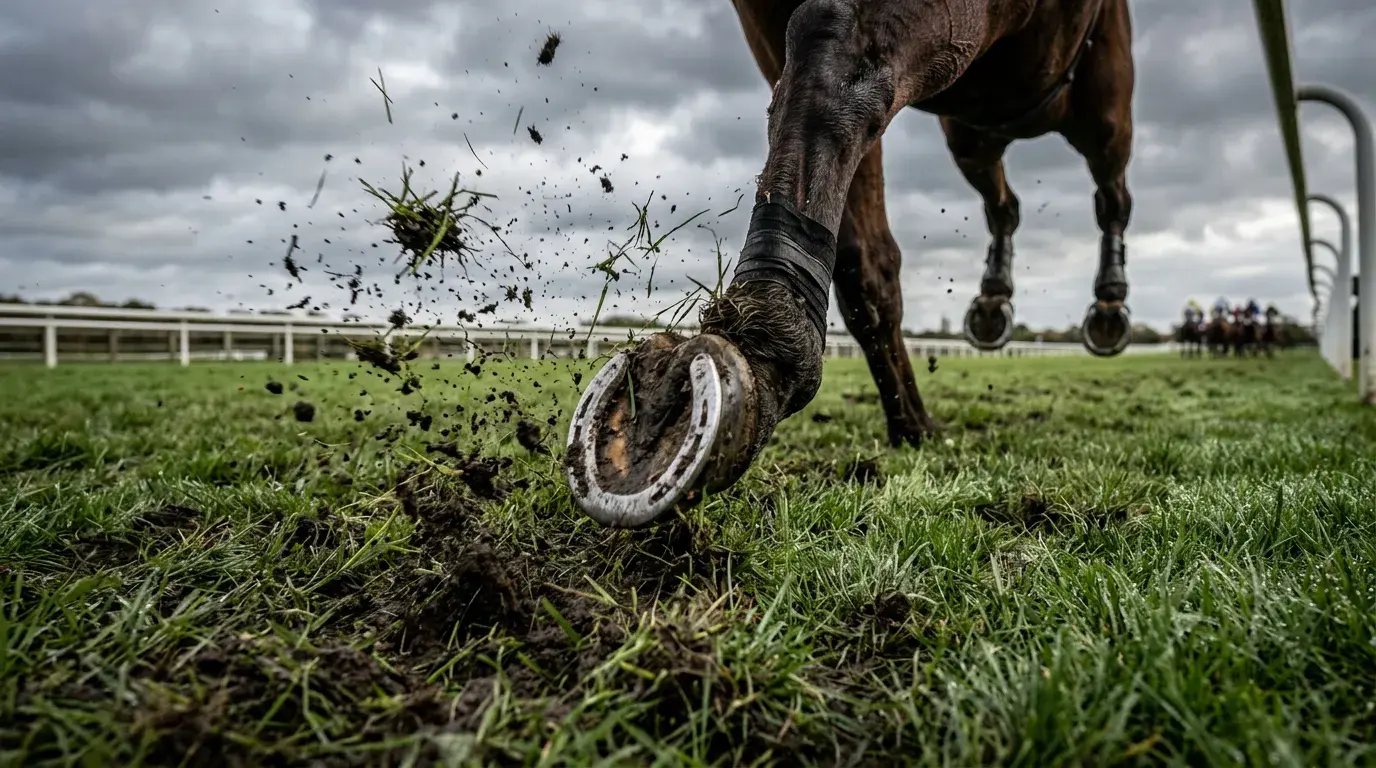
Reading the ground beneath the hooves. October at Newmarket brings variable weather and shifting ground conditions that reshape the Cesarewitch field from year to year. What runs fast one weekend might struggle through soft ground the next. Understanding how different going affects two-mile-two-furlong performers separates informed selection from guesswork.
The Rowley Mile’s position on the Cambridgeshire chalk uplands gives it drainage characteristics distinct from lower-lying tracks. Rain disappears faster here than at most British courses, but sufficient October rainfall still produces testing conditions that expose stamina doubters and favour genuine stayers. Ground reading becomes another filter in the already complex Cesarewitch puzzle.
Horses with proven going preferences merit attention once weather patterns become clear. Some handle cut in the ground better than others. National Hunt horses accustomed to winter surfaces often relish conditions that disadvantage pure Flat performers. The market does not always account for these distinctions until race-day when the going stick reveals its verdict.
Ground Conditions at Newmarket
Newmarket’s Rowley Mile course sits atop chalk downland that provides natural drainage superior to most British racecourses. This geological foundation means ground typically rides faster here than official going descriptions suggest. Good to soft at Newmarket often races closer to good ground elsewhere, while genuine soft conditions require sustained rainfall.
The course layout contributes to variable conditions across different parts of the track. The straight mile that hosts the Cesarewitch’s finishing stages tends to ride slightly quicker than sections further from the stands, where ground gets less regular use. Horses racing prominently throughout may encounter slightly different conditions than those making late runs up the centre of the track.
Historical going records reveal October’s inherent variability. The Cesarewitch has been run on everything from good to firm through to soft over recent decades, though the modal condition falls somewhere in the good to soft range. This variance makes going analysis essential rather than optional. A selection made assuming good ground requires reassessment if rain arrives during race week.
The course management team actively works to maintain safe, fair racing surfaces. Watering during dry spells and covers during excessive rain both influence the final going. Their communications during the week before the Cesarewitch provide increasingly reliable guidance about likely race-day conditions, though late weather changes can still surprise.
Understanding the difference between official going reports and actual racing conditions takes experience. The going stick provides objective measurement, but experienced punters know that Newmarket’s chalk foundation means these readings often translate to faster actual conditions. A going stick reading of 5.5, officially soft, might race like good to soft at Newmarket while feeling genuinely testing at a course like Haydock.
The autumn scheduling places the Cesarewitch at a transitional moment. Summer firmness has typically softened by mid-October, but winter mud has not yet arrived. This creates conditions where versatile horses thrive while extreme ground specialists struggle to find their ideal surface.
Going Preferences for Stayers
Marathon staying horses generally handle cut in the ground better than their speed-oriented counterparts. The physical demands of two miles two furlongs favour muscular endurance over explosive acceleration, and these endurance-focused body types cope with testing surfaces more effectively. Soft ground amplifies stamina requirements while diminishing speed advantages, tilting the race toward horses built for attrition.
The optimal going range for most Cesarewitch contenders falls between good to soft and soft. These conditions test stamina without becoming energy-sapping slogs that reduce the race to a war of attrition devoid of quality. On truly heavy ground, class distinctions narrow as every horse struggles, allowing exposed stayers to compete with higher-rated rivals on equal terms.
National Hunt-trained horses bring particular advantages when conditions ease further. Thirteen of the last twenty-three Cesarewitch winners came from National Hunt yards, and these horses typically have extensive experience on soft winter ground. While Flat specialists may have question marks against their name on testing surfaces, dual-purpose performers have already proven they handle conditions that mimic National Hunt campaigns.
Going preferences should be verified through actual form rather than assumed through breeding. A horse bred to stay whose form is exclusively on good ground remains unproven on softer surfaces regardless of pedigree. Conversely, horses that have won or placed on soft ground demonstrate practical ability rather than theoretical potential.
The interaction between going and distance matters for Cesarewitch analysis. Soft ground increases the stamina demands of an already demanding trip. Horses that barely get two miles on fast ground may fail to see out the trip when conditions take their toll. The extra energy expended in the early stages on testing ground leaves less reserve for the finishing effort.
Form on good to firm ground provides less useful information for Cesarewitch purposes unless the race looks certain to be run on similar surface. Speed figures achieved on fast going may not transfer to autumn conditions at Newmarket. Horses whose best form comes exclusively on quick ground warrant downgrading when rain is forecast.
Weather Impact on Race Day
The forty-eight hours before the Cesarewitch matter most for ground conditions. Significant rainfall during this window transforms the surface in ways that reshuffle the form book. Weather forecasts become essential tools for Cesarewitch bettors, guiding decisions about which horses to back and when to place bets.
Rain during race week triggers two important effects. First, it changes which horses hold the best chances based on their going preferences. Second, it prompts late withdrawals as connections pull horses unsuited to the conditions. Both factors create opportunities for punters who have prepared for multiple weather scenarios.
Late declarations often reveal trainer intentions more clearly than weeks of speculation. A horse kept in the race despite forecasted rain likely handles cut in the ground. One withdrawn at the overnight stage, despite earlier bullish stable reports, tells a different story. These late withdrawals frequently reshape the market and can create value on horses whose prices fail to adjust fully to reduced competition.
The weight trend for Cesarewitch winners becomes more pronounced on softer ground. Eighty-three percent of the last twenty-three winners carried nine stone two pounds or less, but this figure skews higher still when conditions turn testing. Lighter-weighted horses benefit disproportionately when soft ground increases energy costs, their reduced burden translating to greater stamina reserves in the closing stages.
Wind conditions at Newmarket affect the race differently from rain. The exposed heath location means strong winds create tactical complications on the straight course. Headwinds in the home straight favour closers who benefit from wind shelter until launching their challenge. Tailwinds assist front-runners able to exploit the assistance throughout.
Temperature fluctuations through autumn racing affect ground behaviour. Overnight frosts followed by morning sun create unusual conditions that official going descriptions struggle to capture. The surface may ride fast early before softening as temperatures rise and any frost disappears. Punters should note race timing and daily temperature patterns when assessing likely conditions.
Preparing for multiple weather scenarios before race week reduces the need for rushed decisions. Identifying which horses suit different conditions in advance allows for measured responses when weather patterns become clear. Backing the right type of horse for the conditions consistently improves long-term results more than attempting to find winners regardless of the ground.
