 Available in US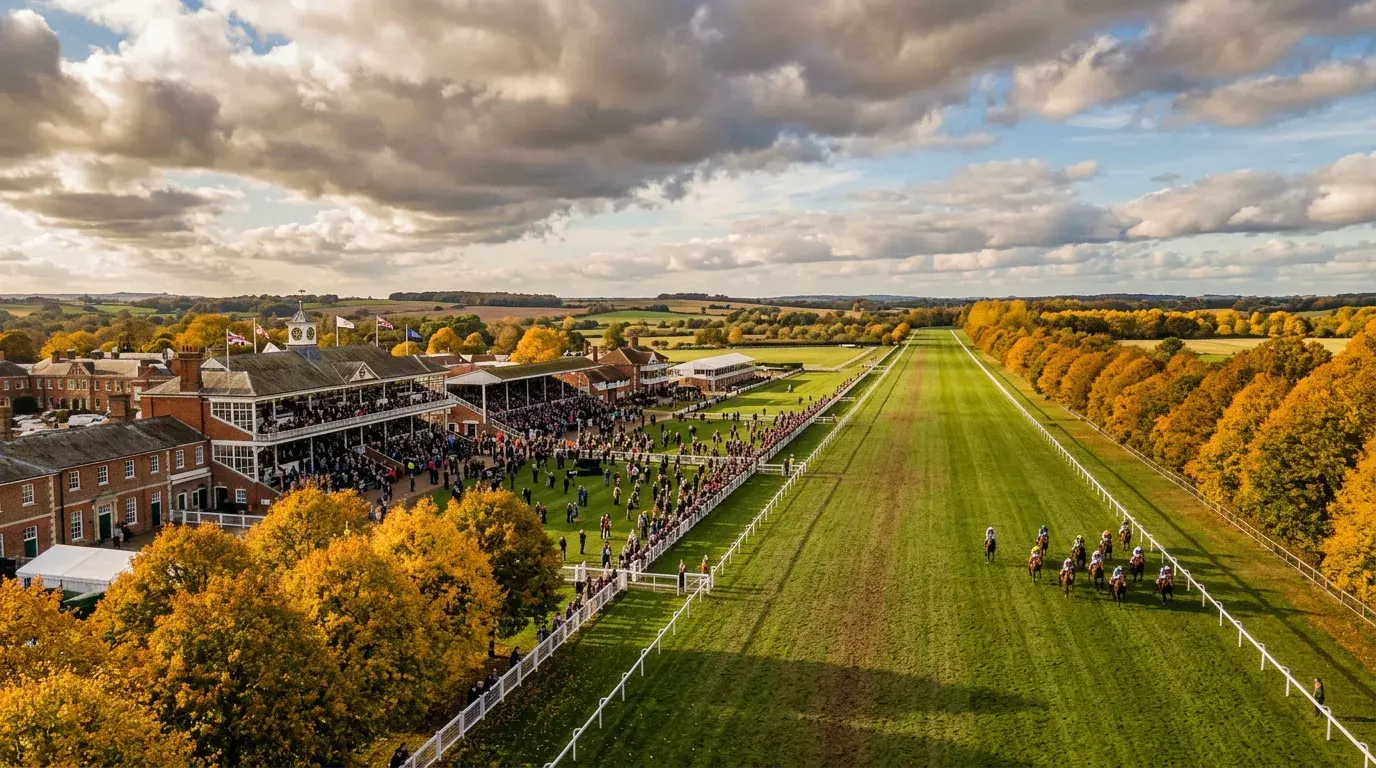
Two marathons, one autumn goal. The Cambridgeshire and Cesarewitch Handicaps have been linked since Victorian punters first spotted the appeal of backing winners in both great Newmarket handicaps. This pairing, known simply as the Autumn Double, remains one of British racing’s most prestigious betting challenges and a fascinating study in contrasting race profiles.
The two races take place within weeks of each other on the same Rowley Mile course, yet they test entirely different qualities. The Cambridgeshire, run over nine furlongs, rewards speed and acceleration. The Cesarewitch, at two miles two furlongs, demands genuine staying power. Finding winners in both requires understanding how these contrasting races favour different horse profiles, different training approaches, and different betting strategies.
Modern punters rarely attempt the traditional double bet itself, where returns from one race fund stakes on the other. But the concept of analysing both races together retains value. Trends that apply to one race often contrast with the other, helping identify the type of horse suited to each. This comparative approach reveals betting opportunities that isolated analysis might miss.
Cambridgeshire vs Cesarewitch Profiles
The Cambridgeshire Handicap runs over nine furlongs in late September, testing speed with stamina rather than pure staying power. Fields typically contain thirty or more runners, creating similar traffic management challenges to the Cesarewitch. But the skill sets that win each race differ substantially.
Distance represents the most obvious distinction. The Cambridgeshire’s nine furlongs favour horses with strong cruising speed who stay the trip rather than grind their rivals down. Winners tend to travel smoothly through the race before quickening inside the final furlong. The Cesarewitch rewards the opposite profile: horses that lack turn of foot but outlast the opposition through sustained effort.
Draw bias operates in opposite directions between the two races. Eight of the last nine Cambridgeshire winners emerged from stalls twenty-one or higher, according to Sportscasting UK analysis, showing a pronounced advantage for high draws. The Cesarewitch tells a different story: fourteen of twenty-three recent winners drew stall thirteen or lower. This reversal likely reflects the different distances and typical pace scenarios, with Cambridgeshire pace pulling wide while Cesarewitch stamina tests favour racing economically near the inside rail.
Age profiles overlap but with notable differences. The Cambridgeshire has seen all thirty-two of its last winners aged six or younger, a slightly tighter window than the Cesarewitch’s preference for horses aged four to seven. Younger horses suit the Cambridgeshire’s speed demands while the Cesarewitch’s stamina test allows slightly older horses with developed aerobic systems to compete effectively.
National Hunt influence appears far less frequently in Cambridgeshire results. The dual-purpose horses that dominate Cesarewitch statistics rarely possess the acceleration for a nine-furlong handicap. Conversely, the speed-focused Flat horses that win the Cambridgeshire lack the staying power for two miles two furlongs. Very few horses suit both races.
Weight trends differ between the races as well. While the Cesarewitch shows strong bias toward lighter weights, the Cambridgeshire produces occasional winners carrying nine stone seven pounds or higher. The shorter distance allows quality to compensate for burden in ways that the marathon trip does not permit.
Ground preferences present another contrast. The Cambridgeshire runs earlier in autumn when conditions typically remain closer to good. The Cesarewitch, three weeks later, more often encounters autumnal softening. Horses with ground preferences should be matched to the appropriate race rather than entered in both speculatively.
Double Betting Strategy
The traditional Autumn Double involves backing selections in both races with winnings from the first reinvested in the second. This approach multiplies risk considerably, as failure in either race eliminates returns entirely. Modern punters typically prefer treating each race independently while using comparative analysis to inform selections.
Age provides a useful starting filter for both races. The Cambridgeshire’s winners have all been aged six or younger across the last thirty-two renewals. Applying this filter to Cesarewitch selections as well eliminates older horses that might win that race but would fail the Cambridgeshire criterion. For punters genuinely attempting the double, this combined filter narrows both fields usefully.
Draw analysis requires applying opposite biases to each race. Cambridgeshire selections should come from high-numbered stalls, ideally above stall twenty. Cesarewitch horses should draw in the lower half of the field, with particular attention to stalls one through thirteen. A horse drawn ideally for one race will likely face draw disadvantage in the other.
Weight becomes a binding constraint in the Cesarewitch but allows more flexibility in the Cambridgeshire. Punters targeting the double should weight Cesarewitch selections toward lighter horses while allowing Cambridgeshire entries to carry higher burdens if other factors favour them. The statistics support this asymmetric approach.
Timing both bets creates practical challenges. The Cambridgeshire runs first, potentially providing information that reshapes Cesarewitch analysis. Horses that run in the Cambridgeshire before targeting the Cesarewitch reveal current form and fitness. The three-week gap allows recovery but also introduces new variables like ground condition changes.
Bankroll management matters significantly for double betting. Losing the Cambridgeshire leg eliminates the entire stake including any planned Cesarewitch investment. Conservative punters might prefer backing each race independently, accepting smaller combined returns in exchange for reduced all-or-nothing risk. The mathematics of compounding returns favour the double approach only for punters confident in their selections for both races.
Horses That Run Both Races
Attempting the Autumn Double with a single horse requires finding an exceptionally versatile performer. The different distance, draw, and stamina demands mean very few horses genuinely suit both races. Those that do attempt both typically excel in neither.
Historical attempts at the double with one horse have rarely succeeded. The distance gap between nine furlongs and two miles two furlongs represents too great a stretch for most profiles. Horses with the acceleration to win the Cambridgeshire lack the stamina for the Cesarewitch. Those built for the marathon struggle to quicken against faster rivals in the shorter race.
When horses do contest both races in the same season, the sequencing matters. Running the Cambridgeshire first provides a fitness-building run before tackling the longer trip. Running them in the opposite order risks leaving stamina-depleted legs unable to produce Cambridgeshire speed. Trainers aware of this dynamic rarely ask horses to run both races and expect wins in each.
The recovery window between races creates physiological challenges regardless of running order. Three weeks allows muscle repair and energy restoration, but peak fitness for one race may not transfer perfectly to the other. Horses targeting one race specifically, rather than both opportunistically, typically produce better performances in their primary target.
For punters, horses entered in both races should trigger analysis of which race represents the genuine target. Training patterns, distance preferences, and jockey bookings all provide evidence. A horse whose work suggests Cesarewitch preparation but holds a Cambridgeshire entry as insurance should be assessed primarily on staying credentials. Attempting to win both races with one horse remains more romantic notion than practical betting strategy.
The smarter approach involves identifying the right horse for each race independently. Different profiles, different trainers, different betting angles. The Autumn Double becomes not a single bet compounded but a framework for parallel analysis. Winning either race provides satisfaction; winning both in the same season, even with different horses, achieves the spirit of the challenge without demanding the impossible from any single runner.
