 Available in US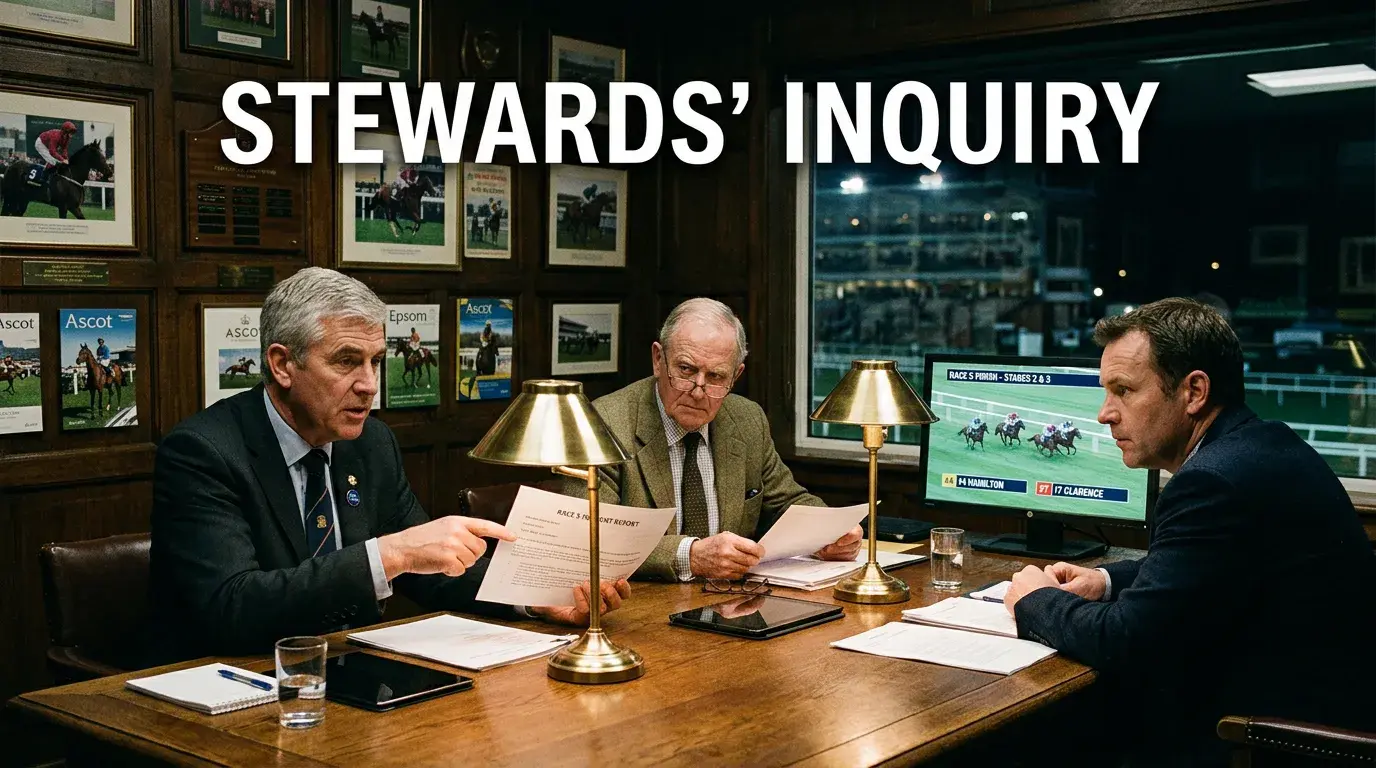
The 2024 Cesarewitch produced one of British racing’s most dramatic controversies in recent memory. Alphonse Le Grande crossed the line first at Newmarket, appearing to deliver for backers who had supported the Irish raider at 33/1. Then the Whip Review Committee intervened, and victory was taken away—only to be restored weeks later on appeal.
What followed became the most high-profile test of British racing’s reformed whip rules to date. The initial disqualification, subsequent appeal, and eventual reinstatement reverberated through betting markets, reignited debates about rule interpretation, and illustrated the complexity of modern racing governance. For connections on both sides, the weeks of uncertainty proved agonising.
Understanding what happened in the 2024 Cesarewitch matters beyond the immediate controversy. The case illustrates how whip disqualifications work in practice, what triggers them, and how the appeals process can overturn initial decisions—with significant implications for bettors throughout.
What Happened in the 2024 Cesarewitch
The race itself unfolded as Cesarewitches typically do: a large field, spread finishes, and plenty of drama as horses came off the bridle in the final quarter mile. Alphonse Le Grande, trained in Ireland by Cathy O’Leary and ridden by apprentice Jamie Powell, came through to lead inside the final furlong, holding off Manxman by a nose at the line.
Initial celebrations proved premature. As the winner was led into the unsaddling enclosure, the racecourse announcer indicated that stewards were reviewing the race. The subject of inquiry: possible excessive use of the whip by the winning jockey.
Reviewing the footage, stewards counted ten strikes by Jamie Powell during the race—four more than the permitted six for flat racing. This figure placed Powell squarely within disqualification territory. Under BHA rules implemented in February 2023, exceeding the limit by four or more strikes mandates disqualification of the horse regardless of circumstances.
Powell’s excess did not occur in brief desperation during the closing stages. The strikes accumulated throughout the final three furlongs as Alphonse Le Grande battled to overcome Doyen La Lutte’s challenge. Each strike beyond six pushed the jockey further into prohibited territory, from technical violation through to automatic disqualification. By the time he passed the post first, Powell had already ensured his horse would not keep the race.
The stewards’ initial decision came swiftly. Alphonse Le Grande was disqualified and placed last of the finishers. Manxman was promoted to first, with the remaining placings adjusted accordingly. Jamie Powell received a twenty-eight-day suspension—among the longest sanctions available for whip offences—reflecting both the severity of the breach and its high-profile context. However, this decision would not stand.
For Cathy O’Leary’s stable, the initial disqualification represented a significant disappointment, though the result would later be overturned on appeal. Alphonse Le Grande had been prepared specifically for the Cesarewitch, demonstrating clear ability to handle the distance and ground.
The connections of Manxman, trained by Simon and Ed Crisford, found themselves briefly promoted to unexpected victory before the appeal reversed the decision. In a dramatic twist, an independent BHA disciplinary panel concluded that one of Powell’s strikes was unintentional—contact made while transferring the whip between hands—reducing the count to nine strikes and reinstating Alphonse Le Grande as the official winner. Powell’s suspension was also reduced from twenty-eight to twenty days.
The Stewards’ Process
British racing stewards operate under strict protocols when whip violations potentially warrant disqualification. The process begins with automatic review of any race where officials suspect excessive use, supplemented by analysis from BHA integrity officers who monitor racing footage.
The counting methodology follows established standards. Each contact between whip and horse counts as one strike, regardless of force or follow-through. Stewards review slow-motion footage from multiple angles, tallying strikes methodically. In marginal cases—six, seven, perhaps eight strikes—detailed frame-by-frame analysis may be required. However, as the Alphonse Le Grande appeal demonstrated, determining what constitutes a “strike” versus incidental contact can prove contentious.
Once stewards confirm a count exceeding the disqualification threshold, they have limited discretion. The rules mandate disqualification when the whip is used four or more times above the permitted level. However, appeals can challenge the counting methodology itself. In the Alphonse Le Grande case, panel chair Sarah Crowther KC concluded that one contact occurred when Powell was “retrieving his stick from the wrong side of the horse” and represented “unavoidable contact which could not have had any material impact on the performance of the horse.”
Only three winning horses have been disqualified under whip rules across approximately sixteen thousand annual British races. This rarity reflects both the severity of the threshold and general jockey compliance with limits. Most violations involve single-strike excess, attracting suspensions rather than disqualification. Reaching four strikes over the limit requires sustained excessive use that professional jockeys typically avoid.
The stewards in the 2024 Cesarewitch completed their inquiry within thirty minutes of the race finishing. Speed matters when significant betting implications exist. Bookmakers cannot settle markets definitively until official results are confirmed, and prolonged uncertainty creates operational difficulties. The relatively quick announcement allowed bets to settle that evening, though not in the manner many punters had anticipated.
Appeals against whip disqualifications face significant hurdles but can succeed when the counting methodology is challenged. In the Alphonse Le Grande case, the independent disciplinary panel accepted that one of the ten strikes counted by the Whip Review Committee should be discounted as unintentional contact during whip transfer. This reduced the count to nine—still three above the limit, warranting a twenty-day suspension for Powell, but crucially below the disqualification threshold. The horse was reinstated as the winner approximately one month after the initial decision.
Implications for Bettors
The 2024 Cesarewitch case created unprecedented betting complications. When Alphonse Le Grande crossed the line first, bookmakers initially settled bets on him as the winner under “first past the post” rules that some operators use for immediate settlement. When the Whip Review Committee disqualified the horse three days later, those settlements stood—meaning Alphonse Le Grande backers kept their winnings while Manxman backers received nothing despite their horse being promoted to first.
This created the bizarre situation where the same race had different “winners” for betting purposes depending on when and how bets were settled. The subsequent appeal reinstatement added further complexity, though by then most betting had long since been settled.
Bookmaker rules vary regarding disqualifications announced after initial settlement. Many operators specify that bets settle on the official result at the time of settlement, with subsequent amendments not affecting already-paid wagers. This protects bookmakers from endless reversals but means punters backing horses that are subsequently disqualified—and then reinstated—may experience either windfall or frustration depending on timing.
For ante-post bettors, the complexity proved even greater. Someone backing Alphonse Le Grande months before the race at 33/1 experienced an emotional rollercoaster: apparent victory, disqualification, then reinstatement. The ultimate outcome vindicated their selection, but the intervening weeks created significant uncertainty about whether their bet would pay out.
Going forward, awareness of whip disqualification rules—and the appeals process—adds another factor to Cesarewitch betting analysis. The Alphonse Le Grande case demonstrated that initial stewards’ decisions are not necessarily final, and that the definition of what constitutes a “strike” remains subject to interpretation.
